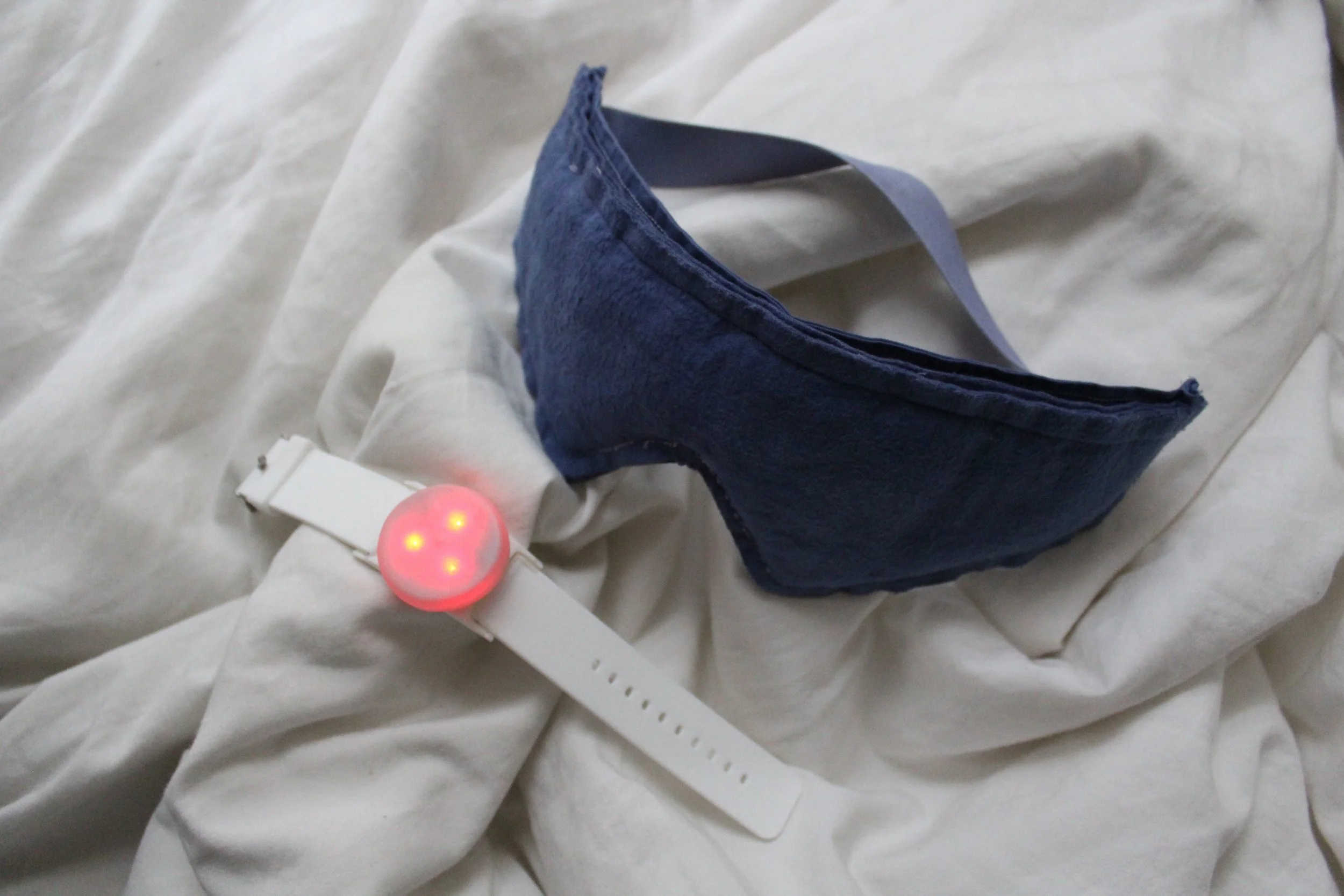
Integrated Design System Conceptcan we use design to induce lucid dreams in order to prevent harmful parasomniac behaviors?
What is parasomnia?
any of a group of sleep disorders characterized by the regular occurrence of unusual movements, vocalizations, or experiences (such as sleepwalking, talking in one's sleep, or night terrors)
Parasomnia can be dangerous, since it involves a sleeping person acting out their dreams in the real world.
Lucid dreaming would allow the user to control their actions in sleep state and prevent potential harm.


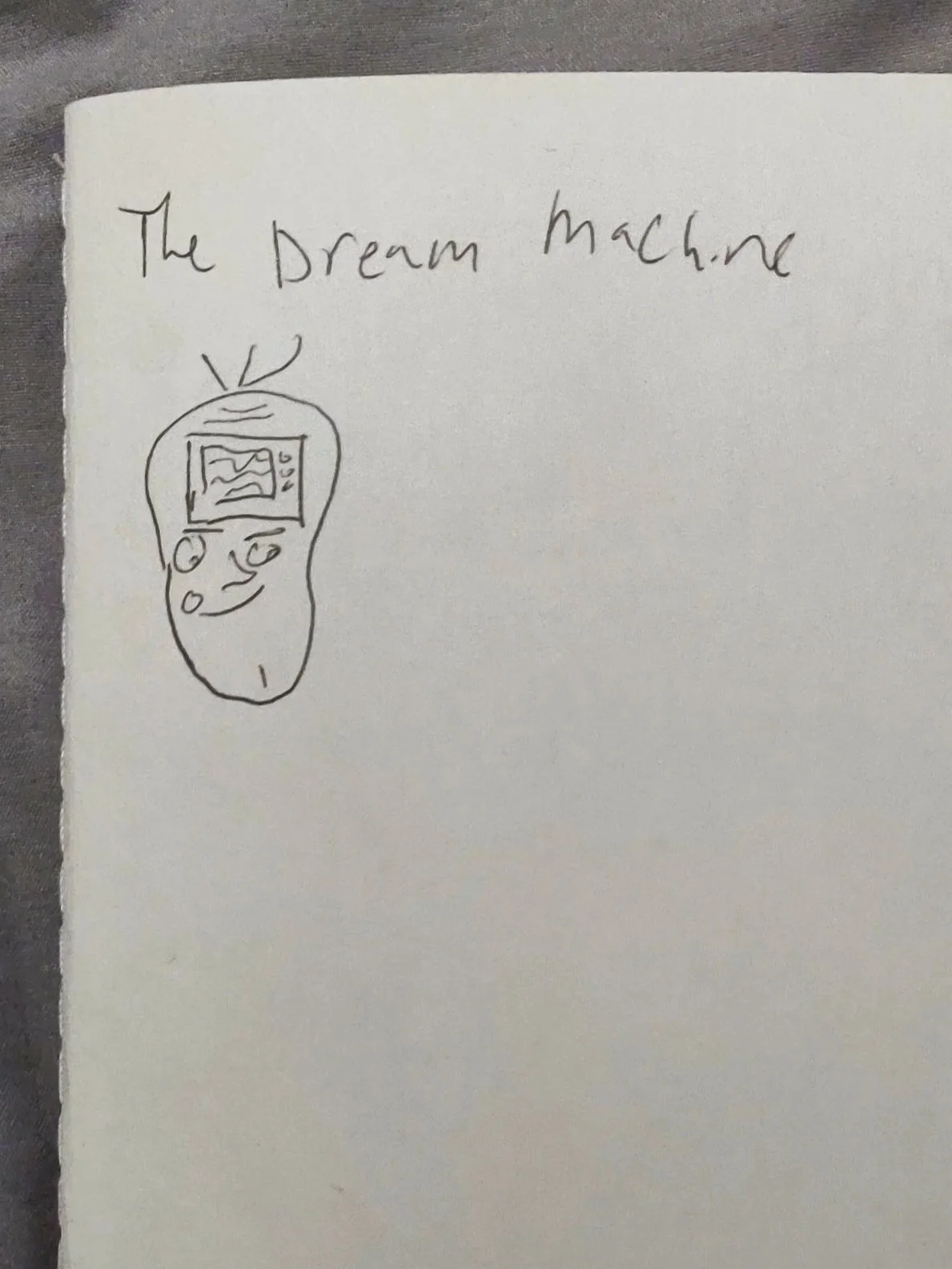
Contextual Research
A group of volunteers participated in a guided journal exercise for contextual research. I provided booklets and wrote guidelines to help them track data that would inform my design concept.
By using this design research technique, I was able to learn about real users’ sleep habits, dream recall, and sensory factors during sleep.
EMOTIONAL RESPONSE
Users are able to recognize emotions after the dream is over.
Users tend to analyze their dreams and assign meaning to them.
THE SENSES
Users note various auditory disturbances that wake them up from sleep.
Some users claim inability/difficulty to experience certain senses during a dream and can use this information to realize they are dreaming.
AWARENESS IN DREAMS
Users are trying to test reality and be more aware of their sleep/awake state.
Users can recognize when dreams are recreations of their memories and trigger lucid dreaming.
Materials Research
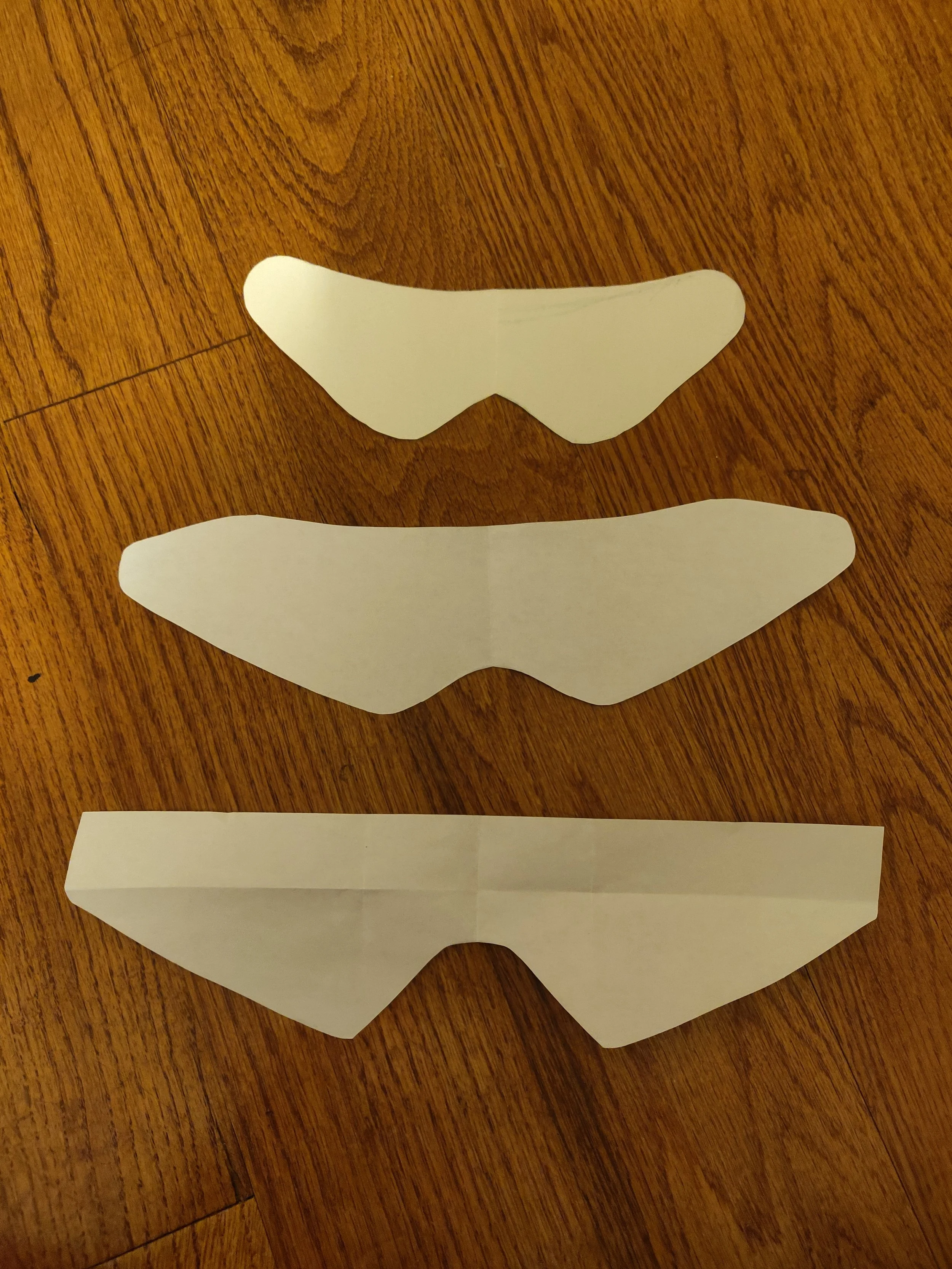
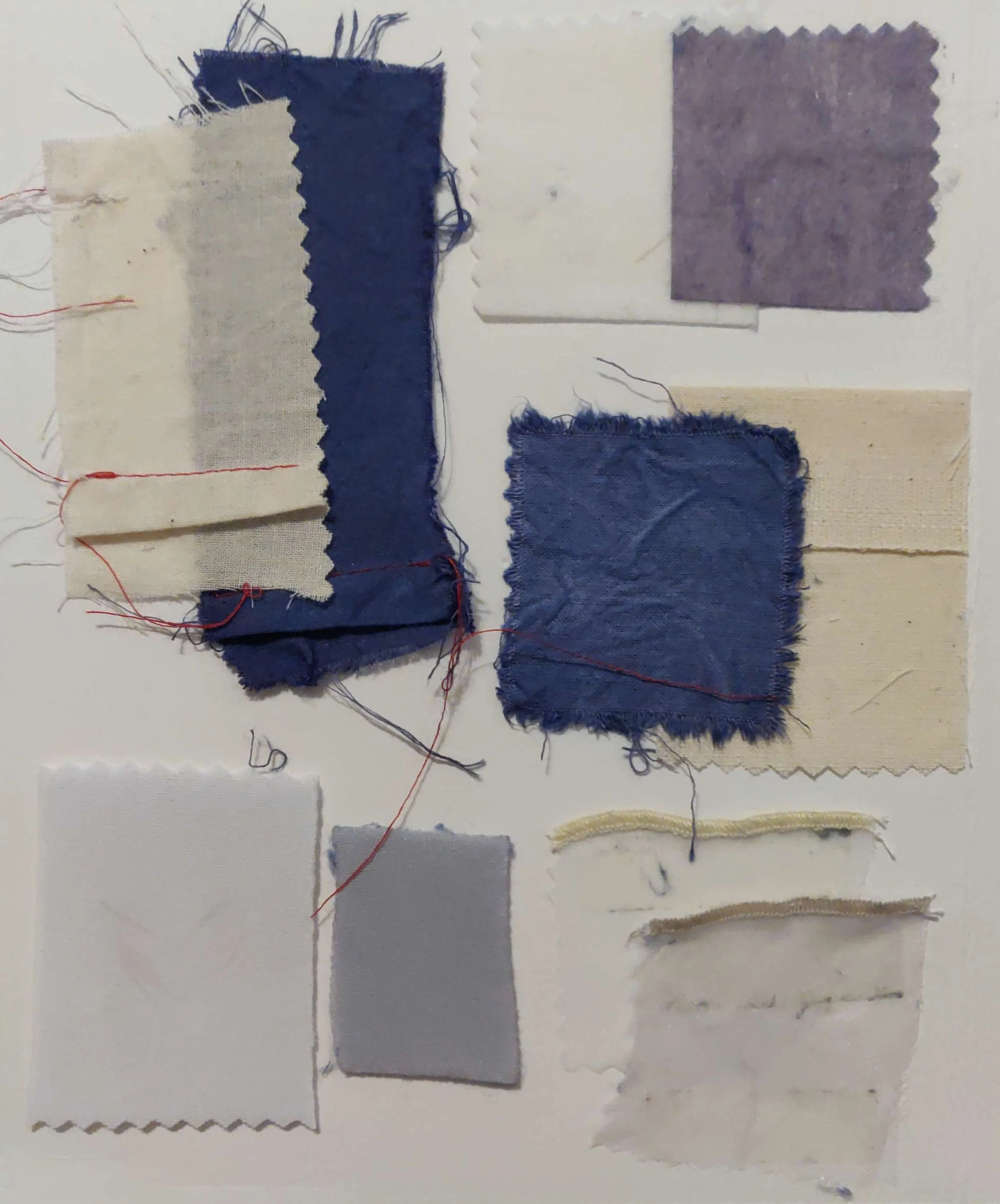
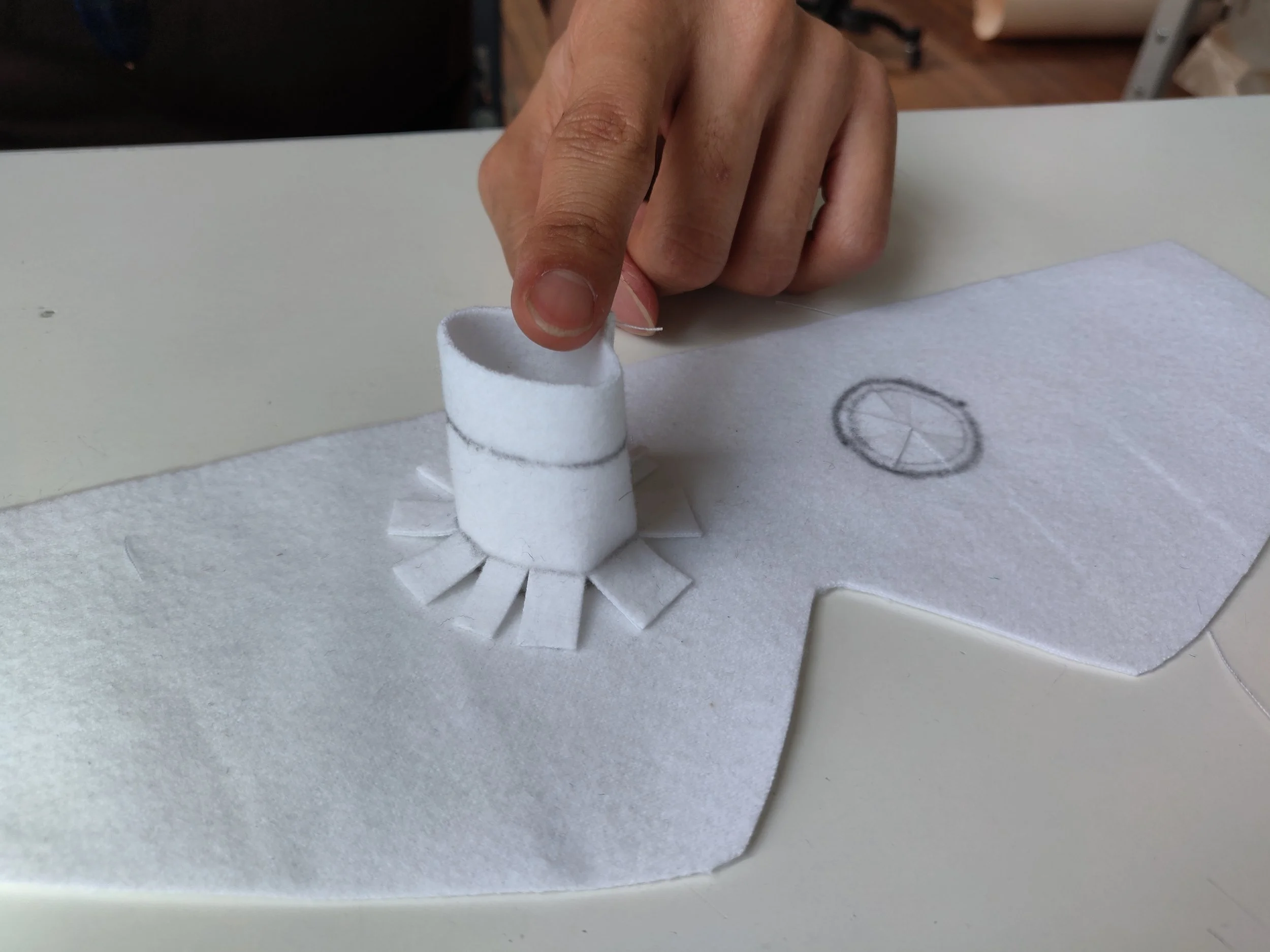
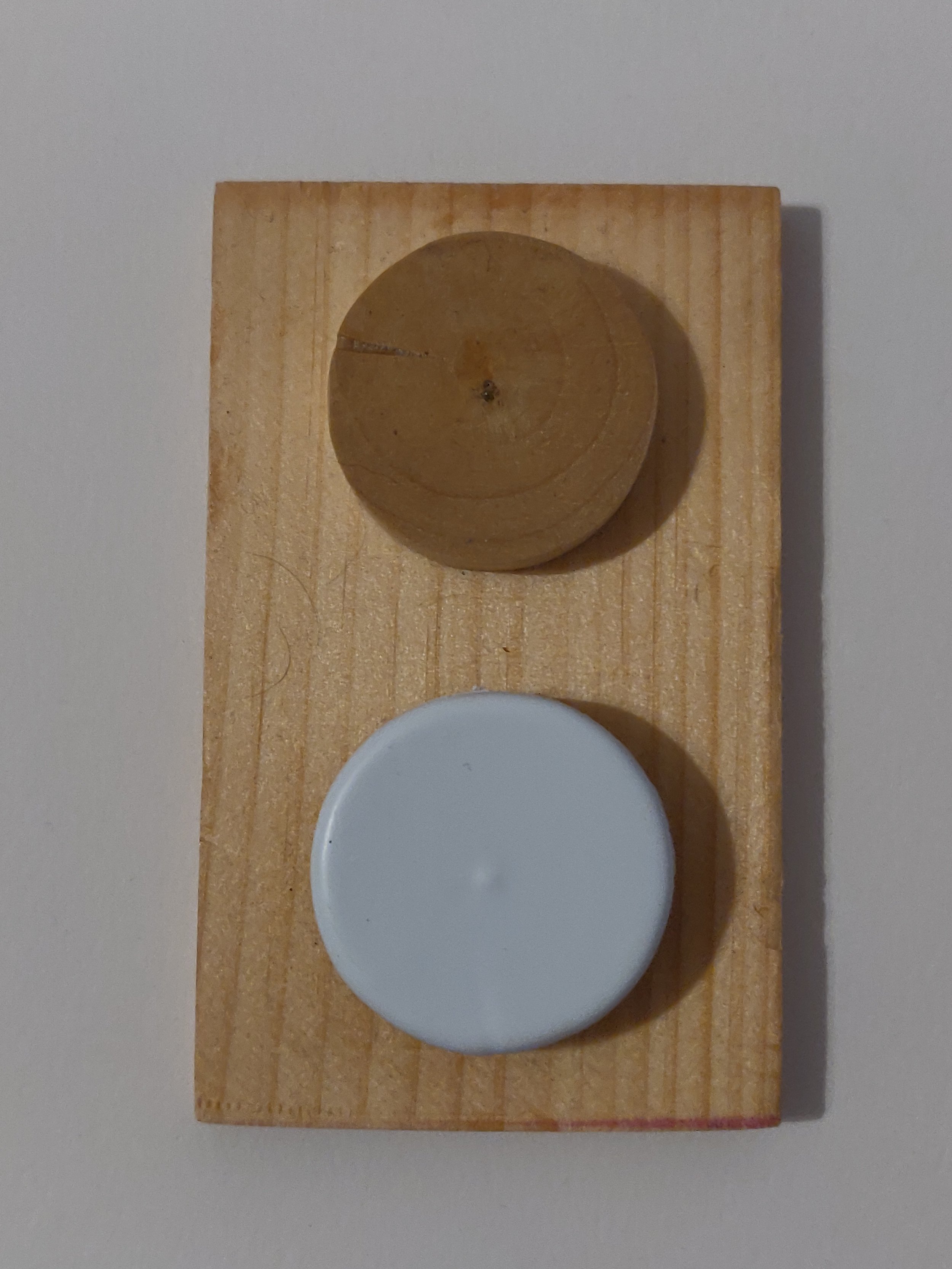
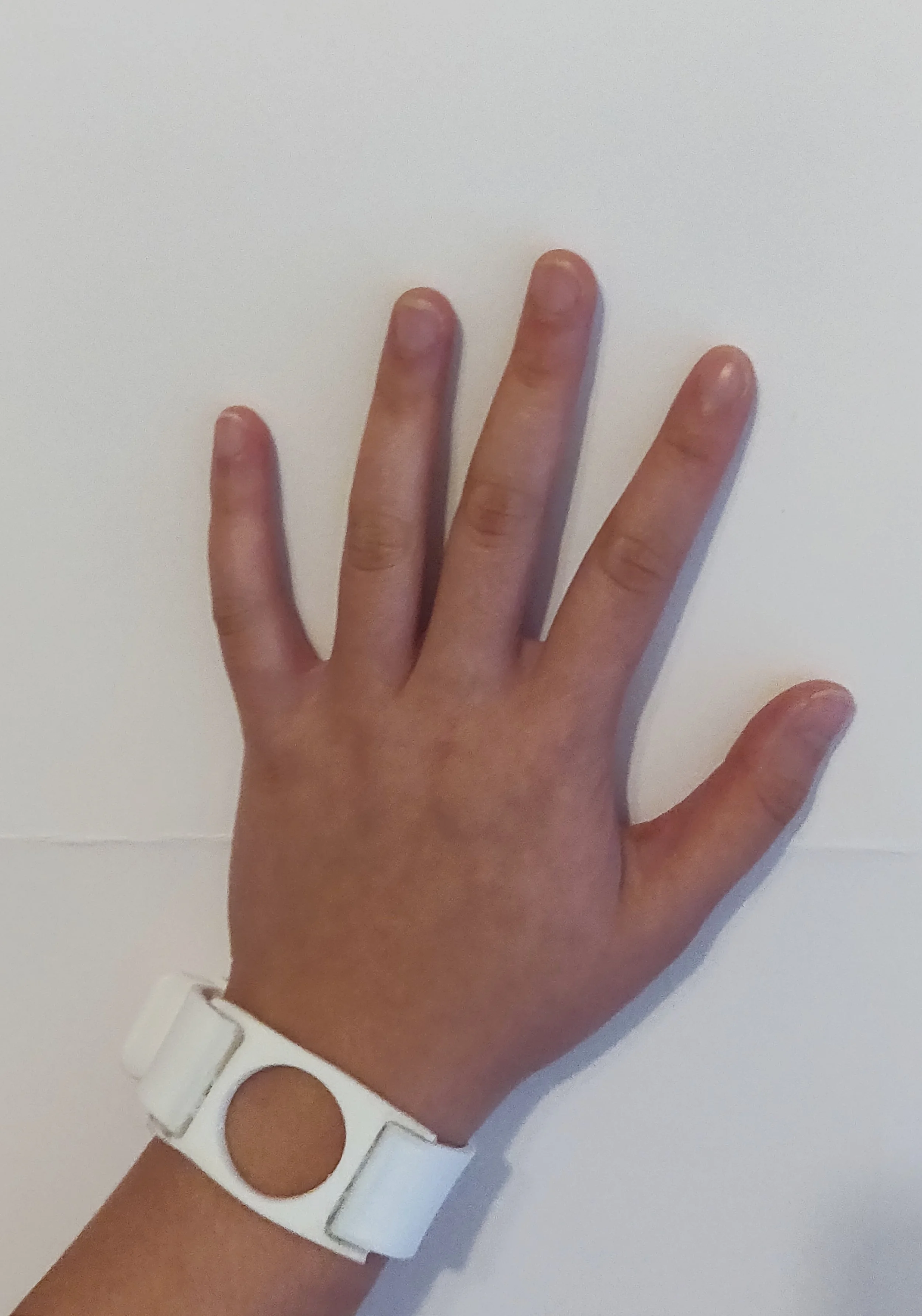
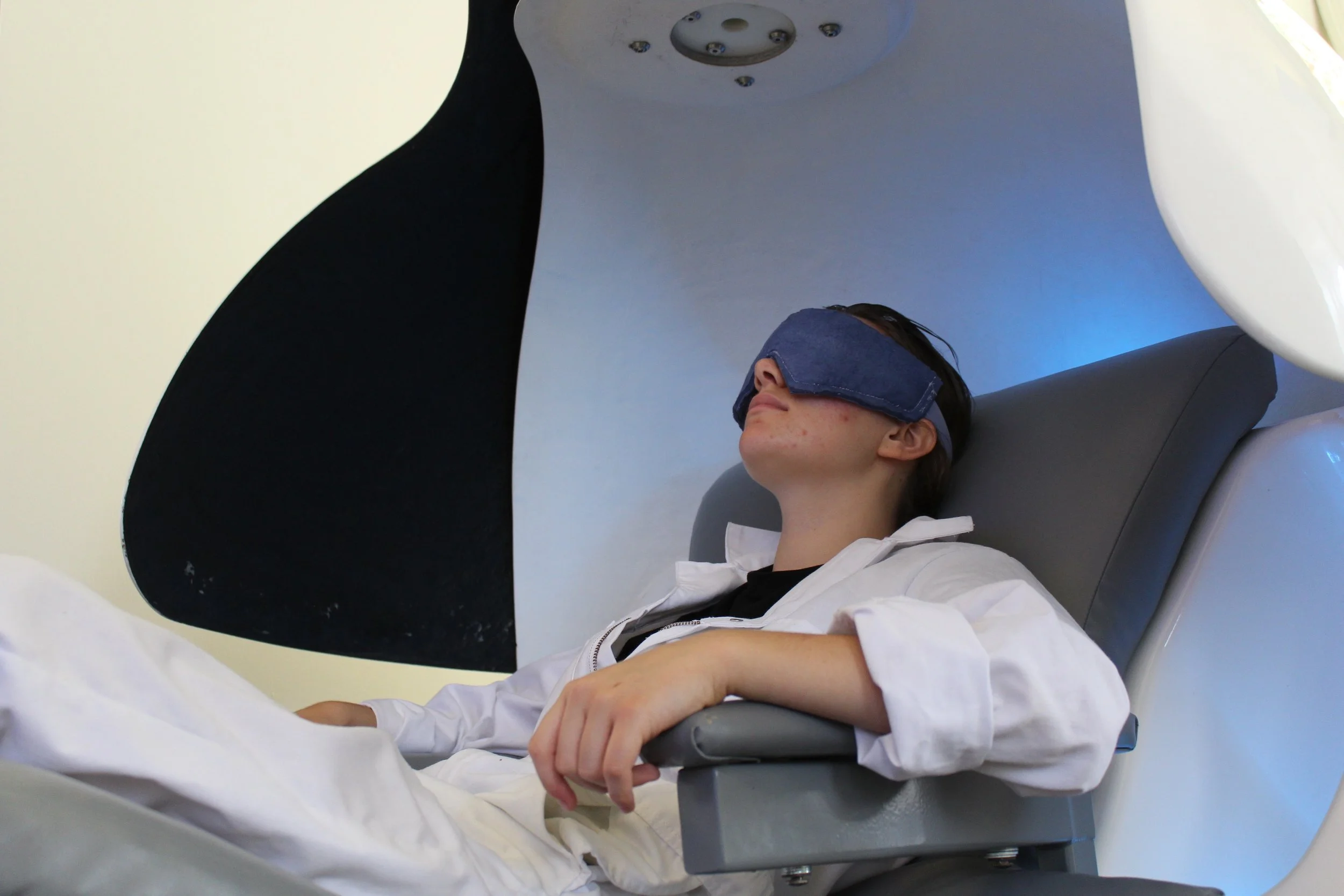
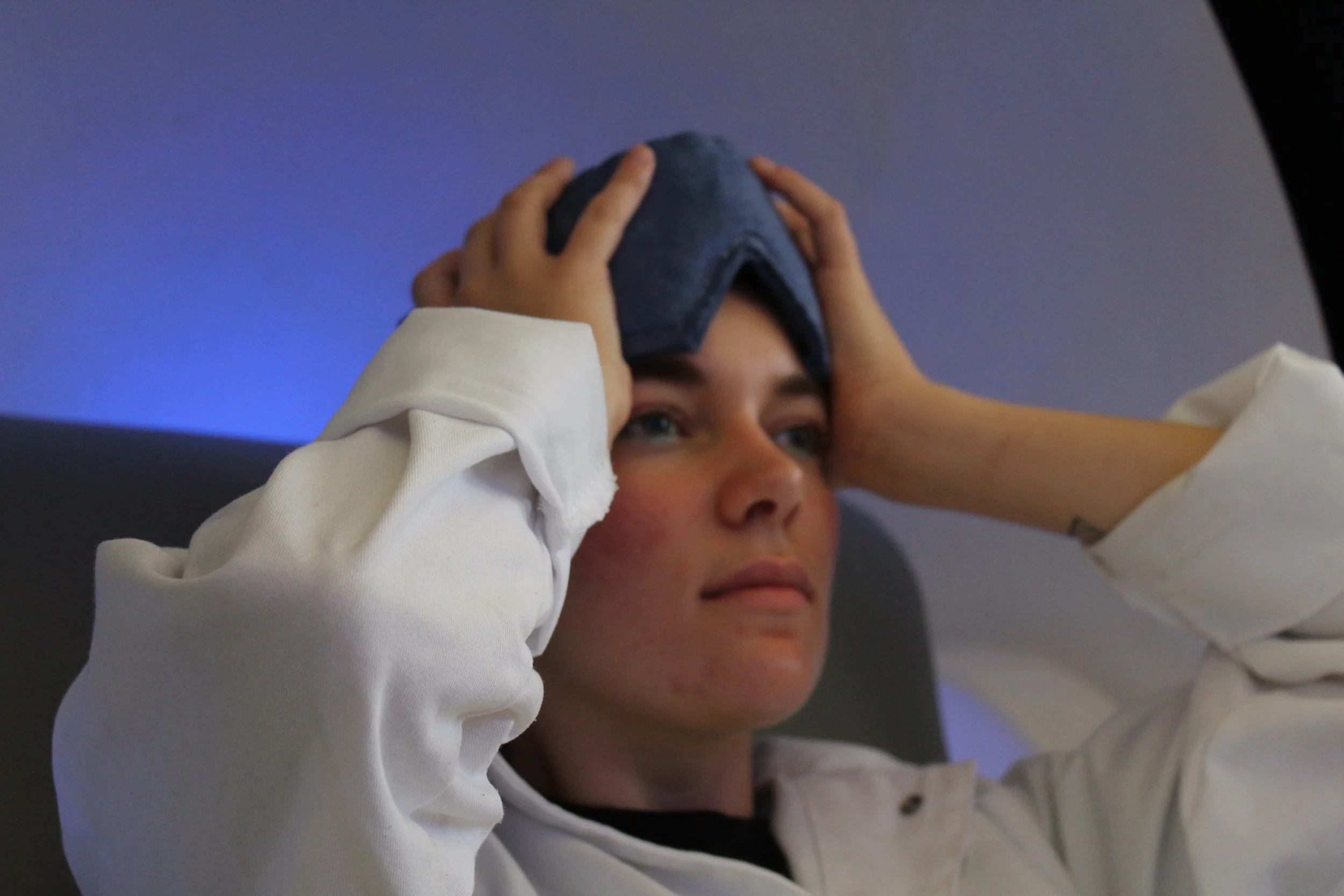
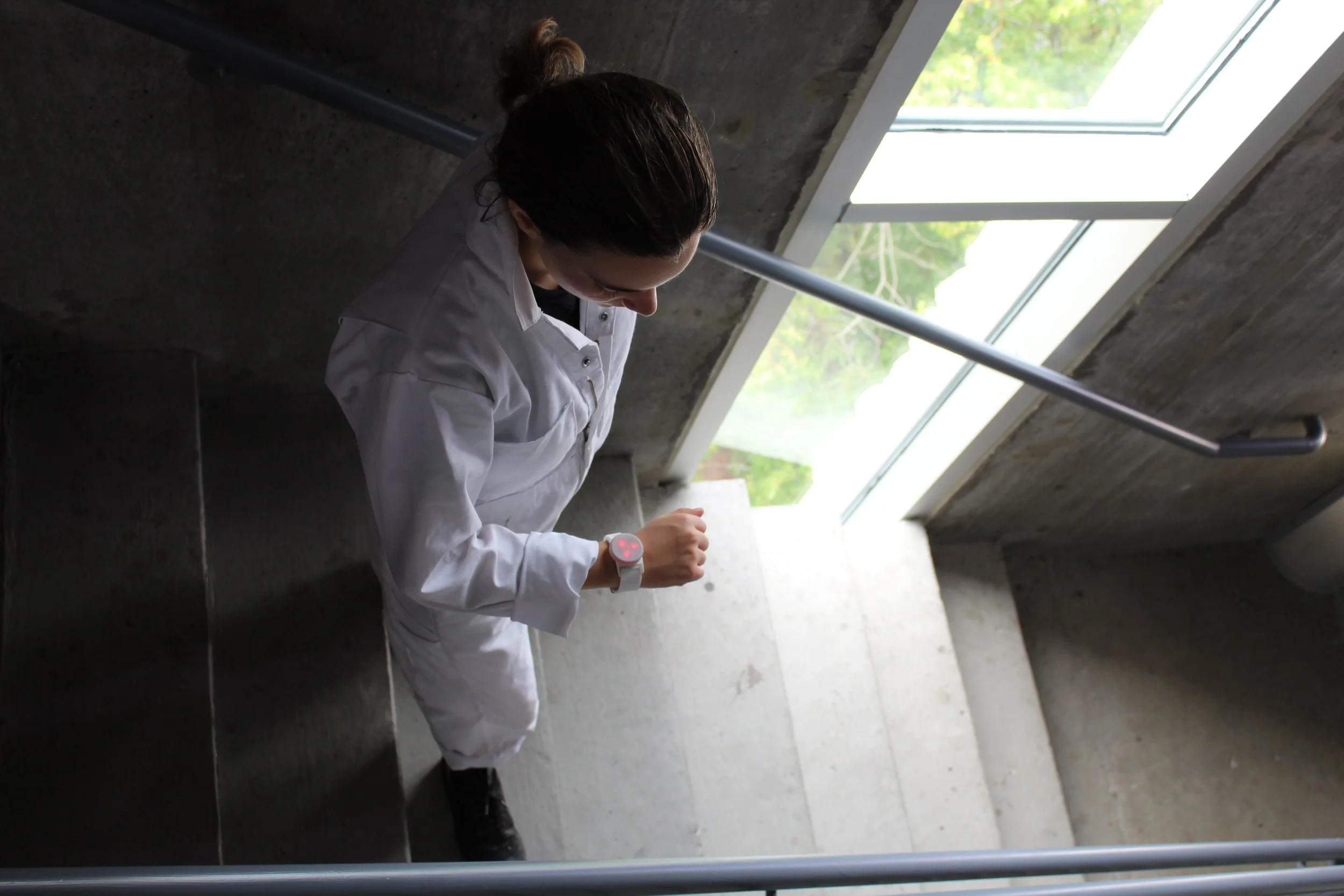
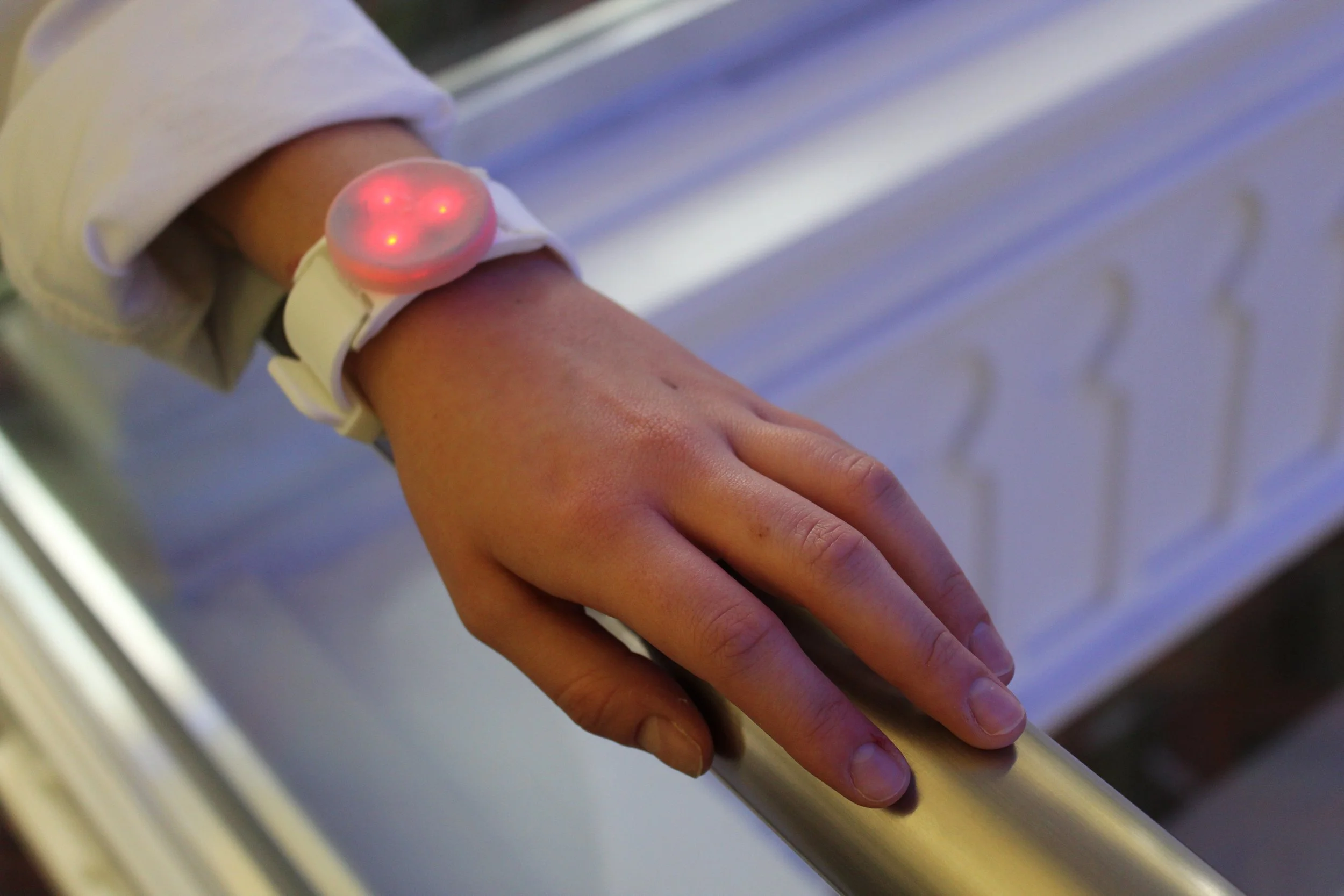
I compared fabrics based on tactile qualities, structure, and integrity after being dyed for the mask component. The wearable wrist device was made with silicone molding and casting, thermoforming, and installing small LED lights inside.
final prototypes
References
Attarian, Hrayr. “Treatment Options for Parasomnias.” Neurologic Clinics, vol. 28, no. 4, 2010, pp. 1089–1106.
Erlacher, Daniel, and Michael Schredl. “Practicing a Motor Task in a Lucid Dream Enhances Subsequent Performance: A Pilot Study.” The Sport Psychologist, vol. 24, no. 2, 2010, pp. 157–167.
LaBerge, Stephen, and Howard Rheingold. Exploring the World of Lucid Dreaming. Ballantine Books, 2007.
Velluti, Ricardo. “Interactions Between Sleep and Sensory Physiology.” Journal of Sleep Research, vol. 6, no. 2, 20 Jan. 1997, pp. 61–77.
Zappaterra, Mauro, et al. “Chronic Pain Resolution After a Lucid Dream: A Case for Neural Plasticity?” Medical Hypotheses, vol. 82, no. 3, 15 Dec. 2014, pp. 286–290.